8 hr
Khujand Day Tour from Tashkent
- Expert local guide
- Small group
- Skip-the-line access
- Free cancellation
Tashkent To Khujand Day Trip — Border Transfers & Fortress Entry
Two countries before lunch, one river valley by dusk.
Compare fares, pick the fit — all bookings are mobile-voucher and eligible for free cancellation where shown.
8 hr
9 hr
8 hr
| Experience | From | Duration | Rating | Skip-the-line | Guide | Small group | Price | |
|---|---|---|---|---|---|---|---|---|
|
Guided Experience
Most popular
Khujand Day Tour from Tashkent
|
Tashkent | 8 hr | ★ 4.6 | ✓ | ✓ | ✓ | €251 | Book → |
|
Guided Experience
Khujand Day Trip from Tashkent
|
Tashkent | 9 hr | ★ 4.8 | ✓ | ✓ | ✓ | €132 | Book → |
|
Guided Experience
Khujand Day Trip from Tashkent
|
Tashkent | 8 hr | ★ 4.3 | ✓ | ✓ | ✓ | €124 | Book → |
Worth it for history-minded travellers, not casual sightseers
A tashkent to khujand day trip costs you a border crossing at Oybek, roughly six to eight hours of round-trip road time, and a modest museum admission that is trivial next to the transport spend. What you get inside the Historical Museum of the Sughd Region on Academician Radjabovs Street is a compact, well-labelled run through Alexander's Cyropolis, the Silk Road caravan trade, the Timurid centuries and the Soviet cotton era — the context that makes the Sughd fortress walls and the Panjshanbe bazaar outside actually legible. Independent travellers who care about Central Asian history get real value; anyone booking Khujand landmarks purely for photographs will feel the drive outweighed the payoff. Compared with organised tashkent to khujand day trip tours that pad the itinerary with roadside stops, going independently keeps the focus where the substance is. Check visa eligibility before committing.
Bottom line: If you want the Sughd region explained rather than just photographed, the Khujand museum tour justifies the road — book a tashkent to khujand day trip tour only if the border paperwork worries you, and pick up your tashkent to khujand day trip tickets for transport well ahead of travel.
Hand-picked experiences loved by thousands of travelers
1 day
Free Cancellation
Cross into Tajikistan to explore historic Khujand, its ancient fortress, bustling bazaar, and independence palace
1 day
Free Cancellation
Journey across borders to explore Tajikistan's historic riverside city and vibrant markets in a single day
12 hours
Free Cancellation
Journey across borders to explore Tajikistan's ancient Silk Road city with guided visits to palaces, museums, and bustling markets
12 hours
Free Cancellation
Journey to Central Asia's most ancient city, crossing borders to discover fortresses, bazaars, and reservoirs
8 to 8.5 hours
Free Cancellation
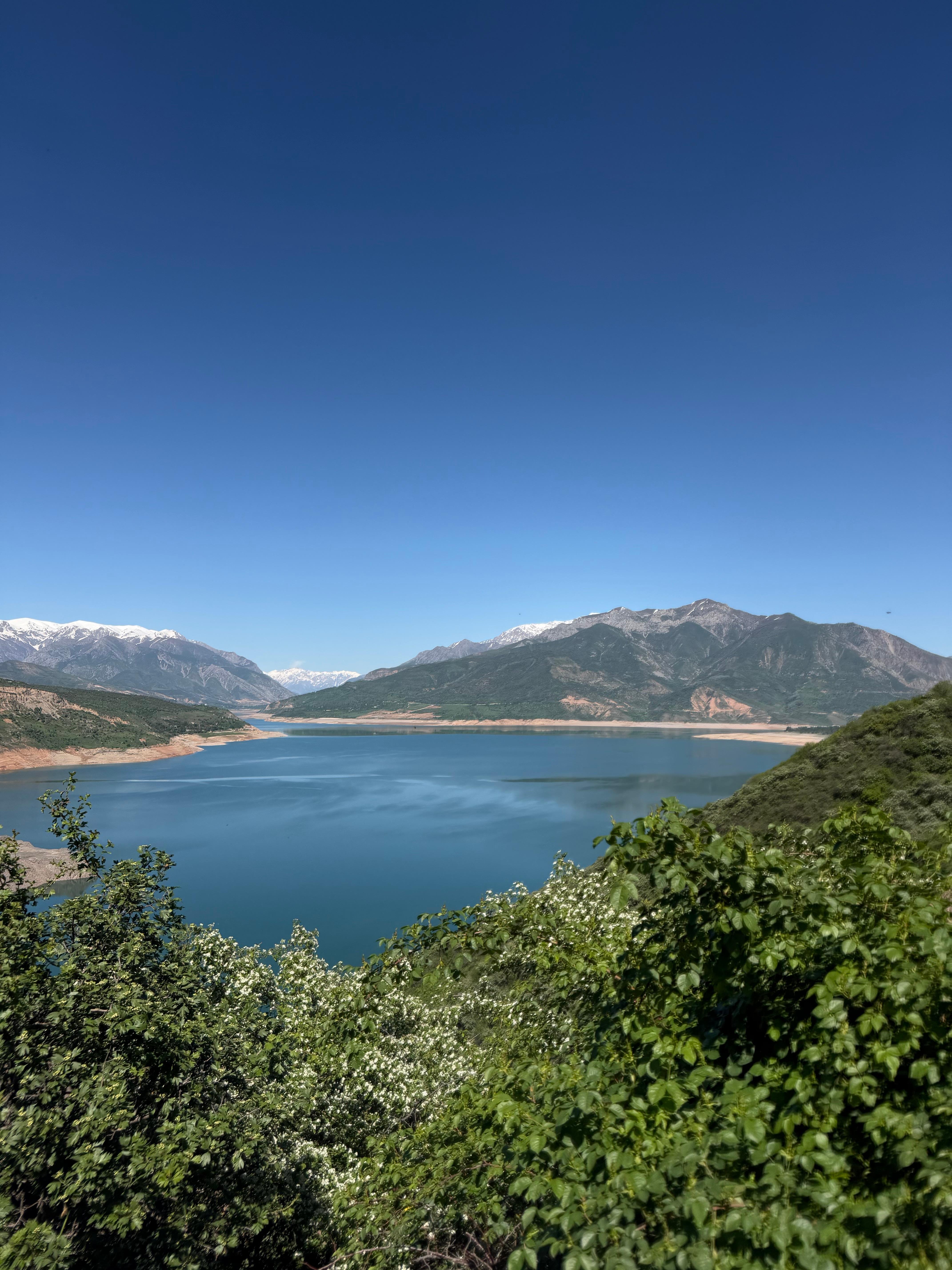
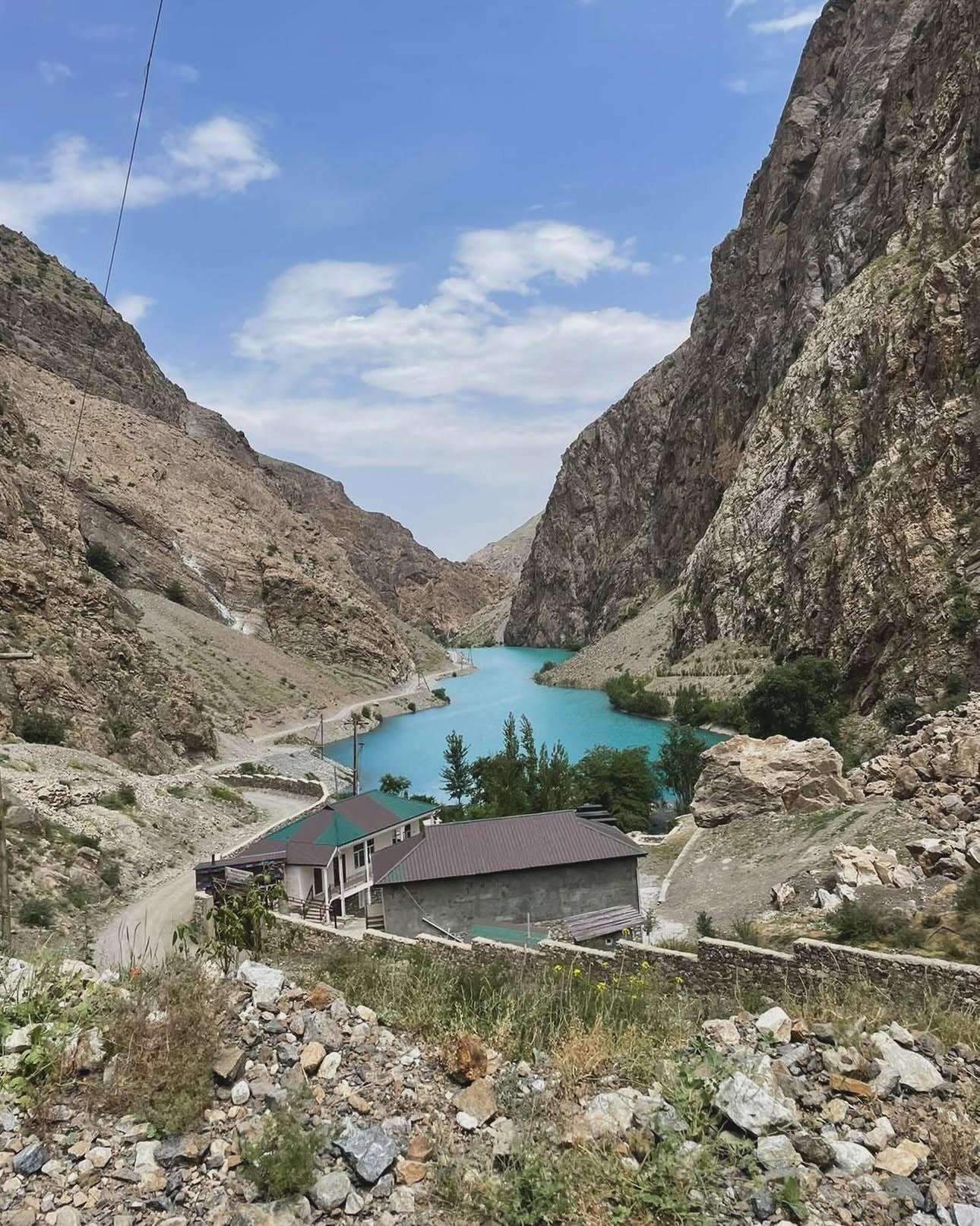
Journey through Uzbekistan's stunning Tien-Shan peaks, alpine meadows, and turquoise reservoir waters
9 hours to 1 day
Free Cancellation
Journey through the Fann Mountains to explore Tajikistan's stunning multi-hued alpine lakes
9 hours to 1 day
Free Cancellation
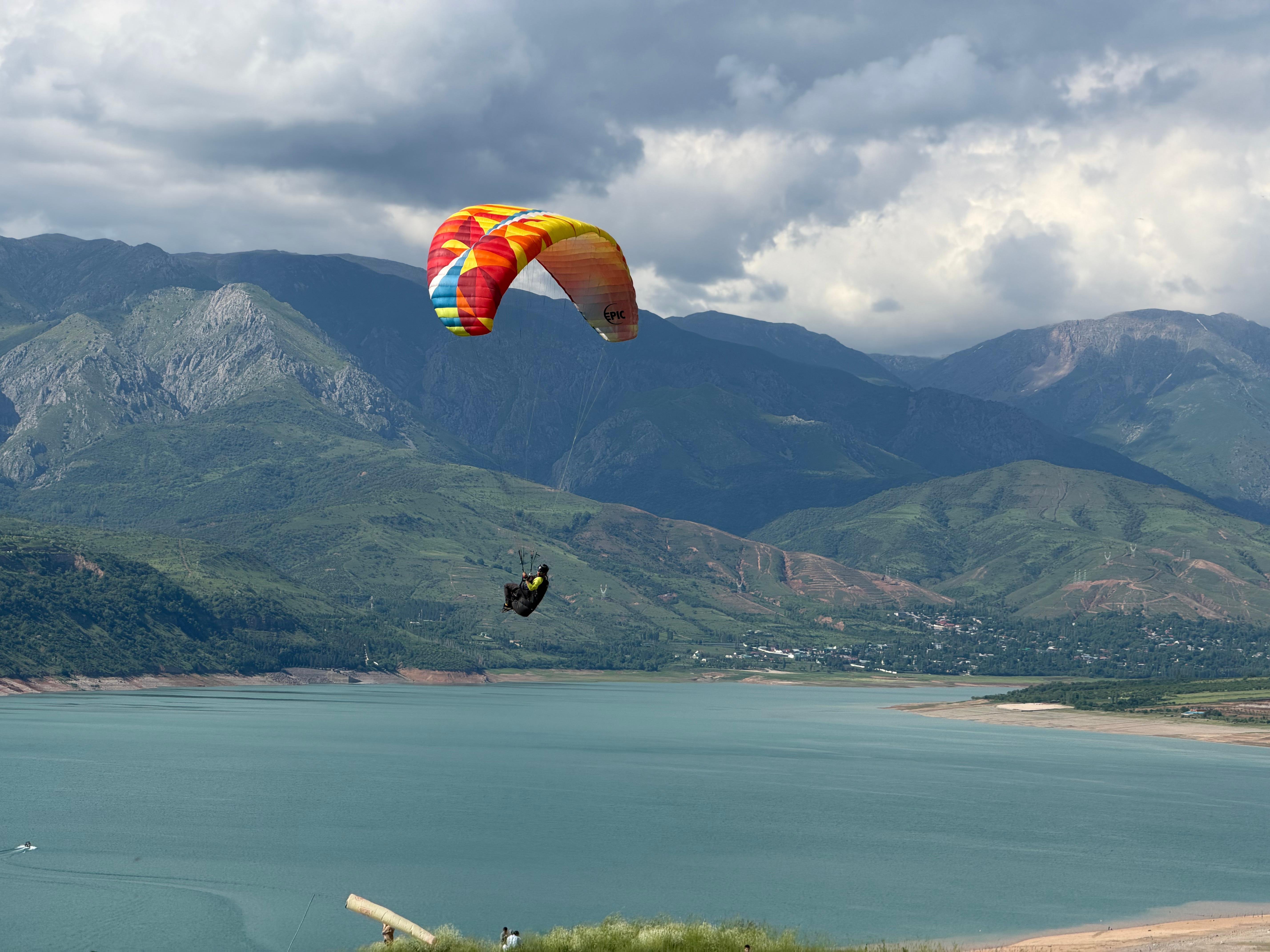
Escape to the Tian Shan mountains: cable car rides, alpine scenery, and a turquoise reservoir
Features detailed marble fragments depicting battle scenes.
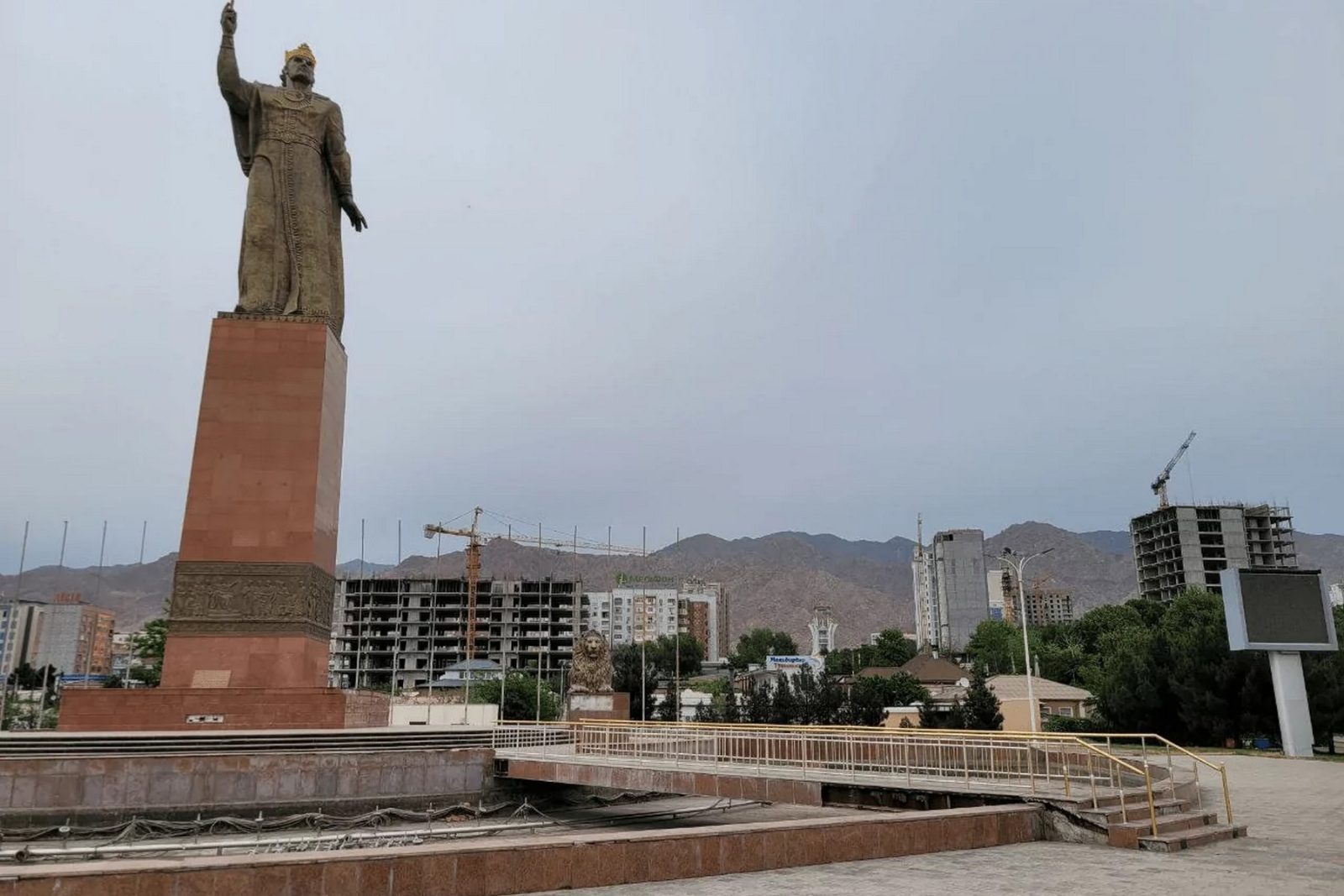
A 3.5-meter bronze statue honoring the local hero.
Houses prehistoric and ancient civilization artifacts.
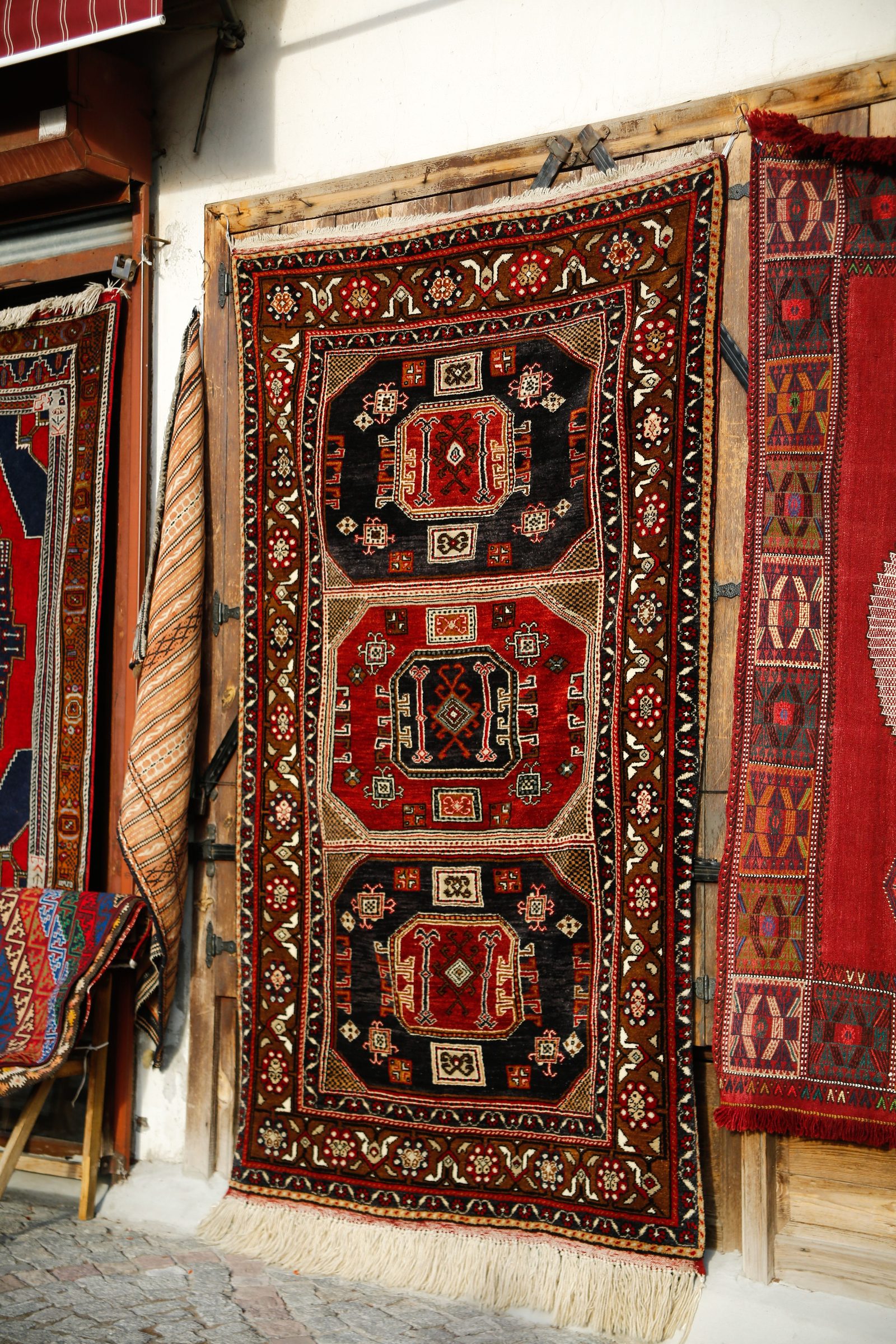
Showcases rare hand-woven rugs and embroidery.
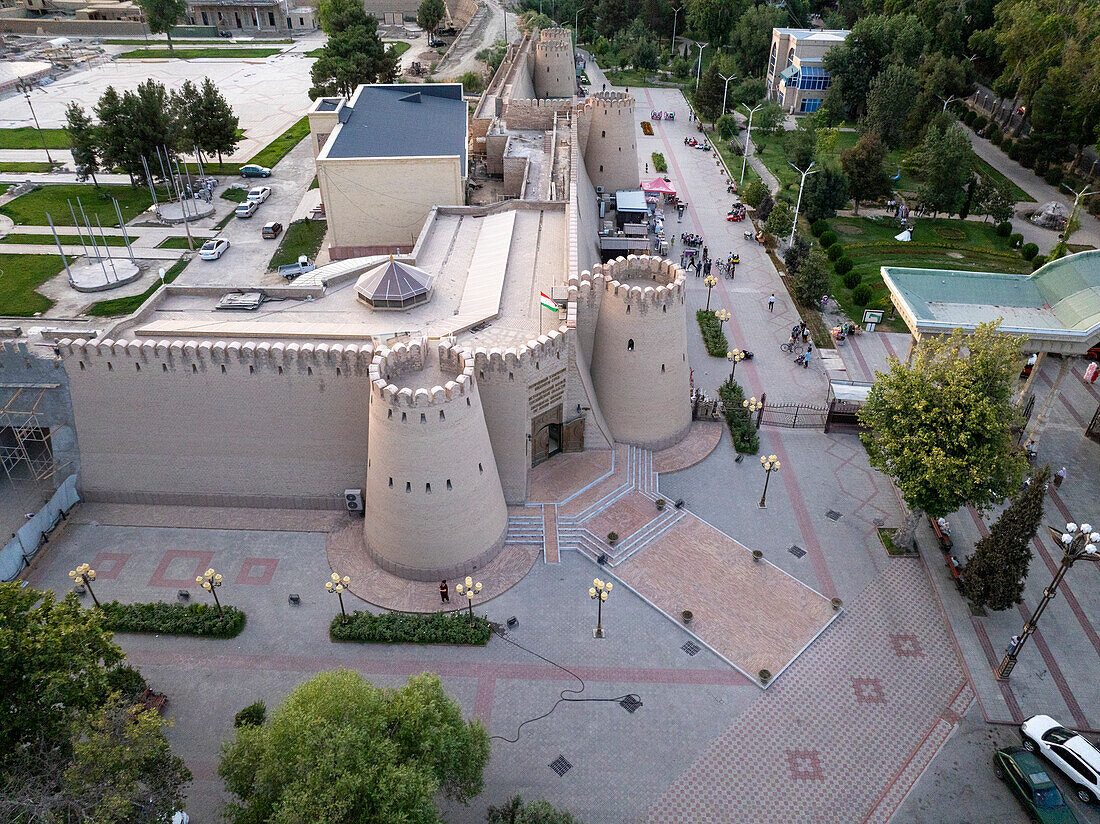
Reconstructed medieval fortifications offering city views.
You leave Tashkent in darkness and reach the Oybek post as it opens, passports out, the queue short before the buses arrive. Formalities take longer than the driving.
On the Tajik side you change vehicles, and the road bends south-east along irrigation canals for another ninety minutes until the Syr Darya appears on your left, wide and grey-green.
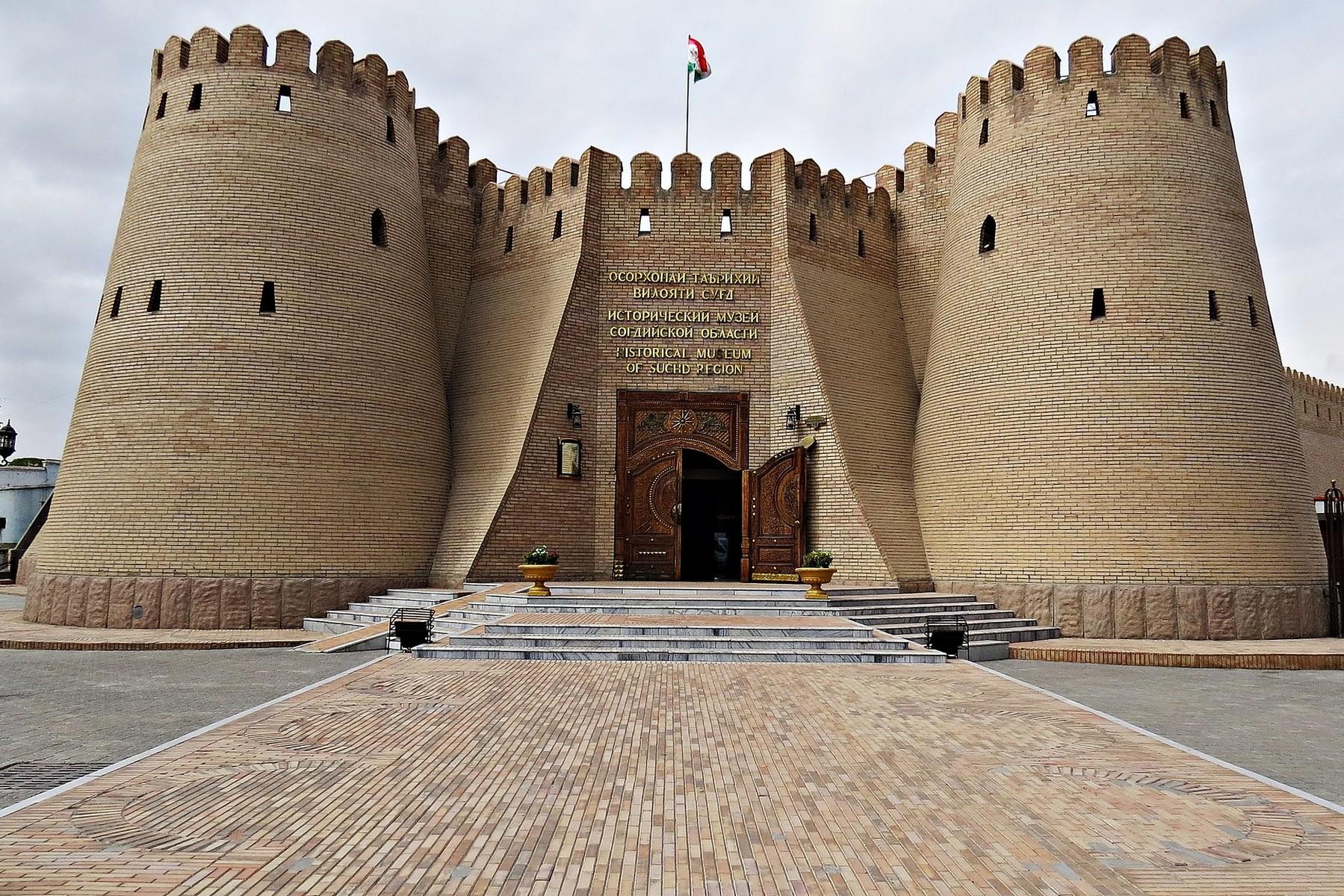
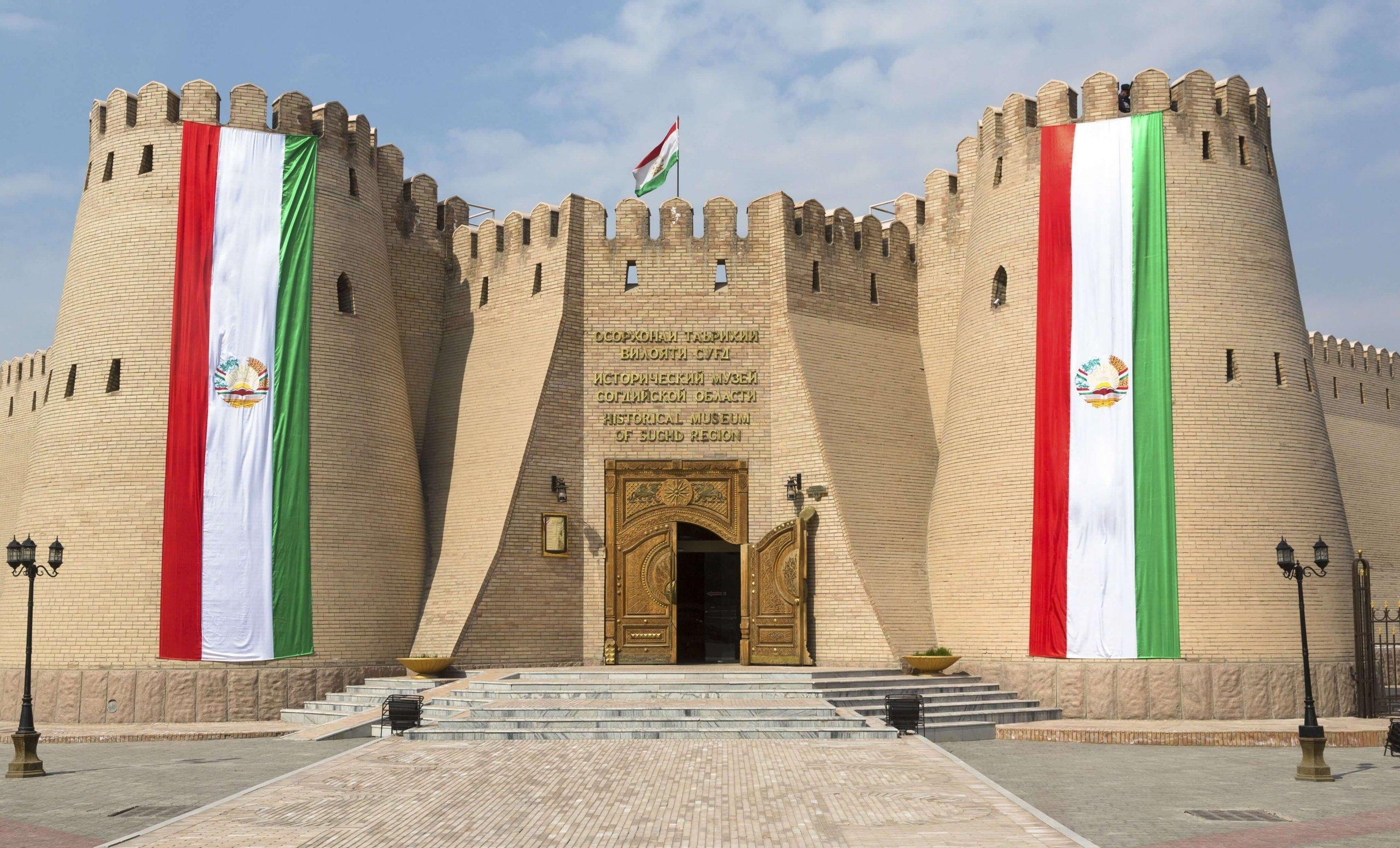
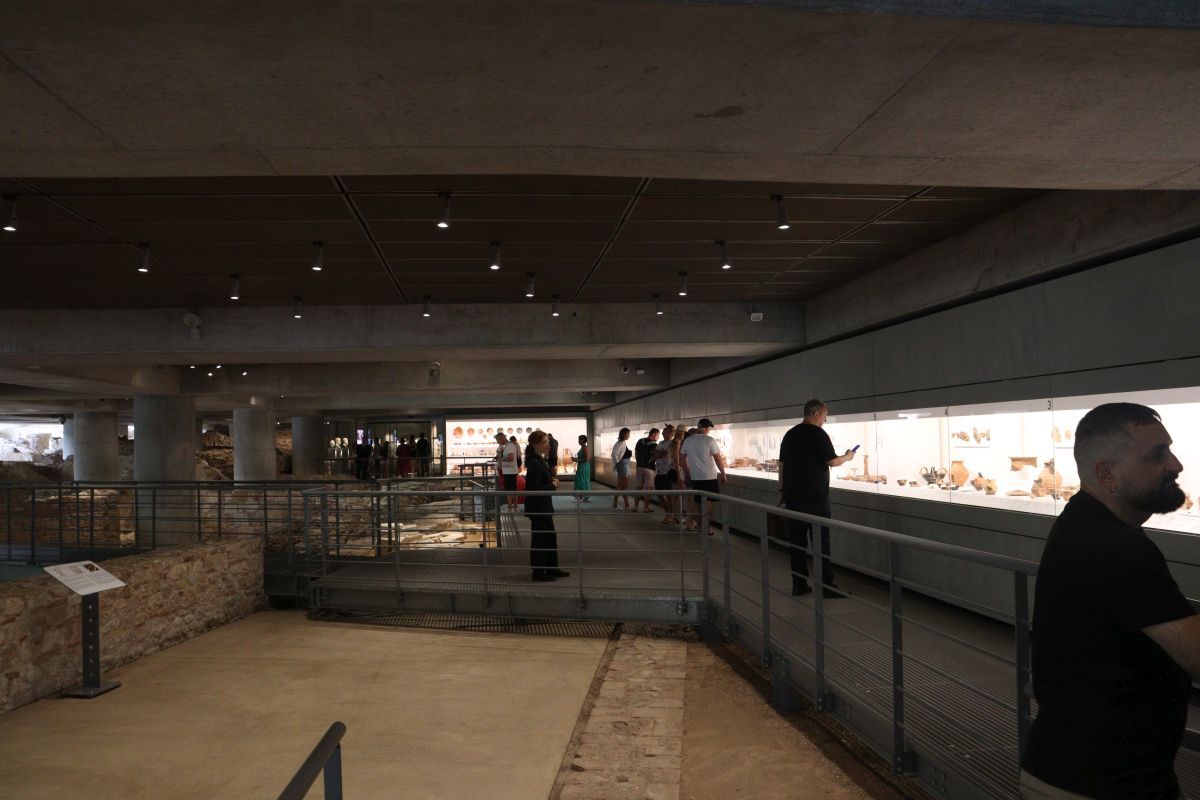
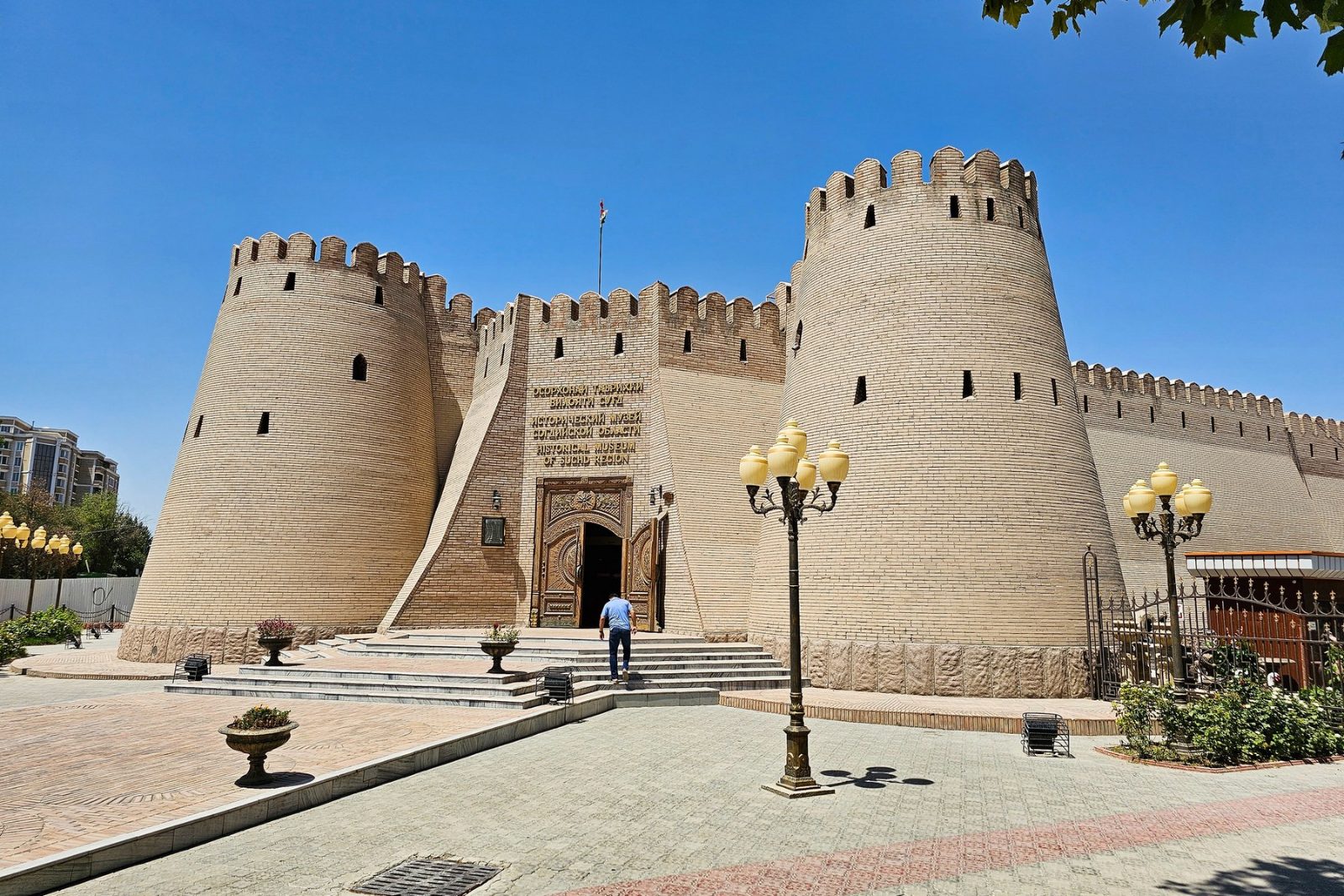
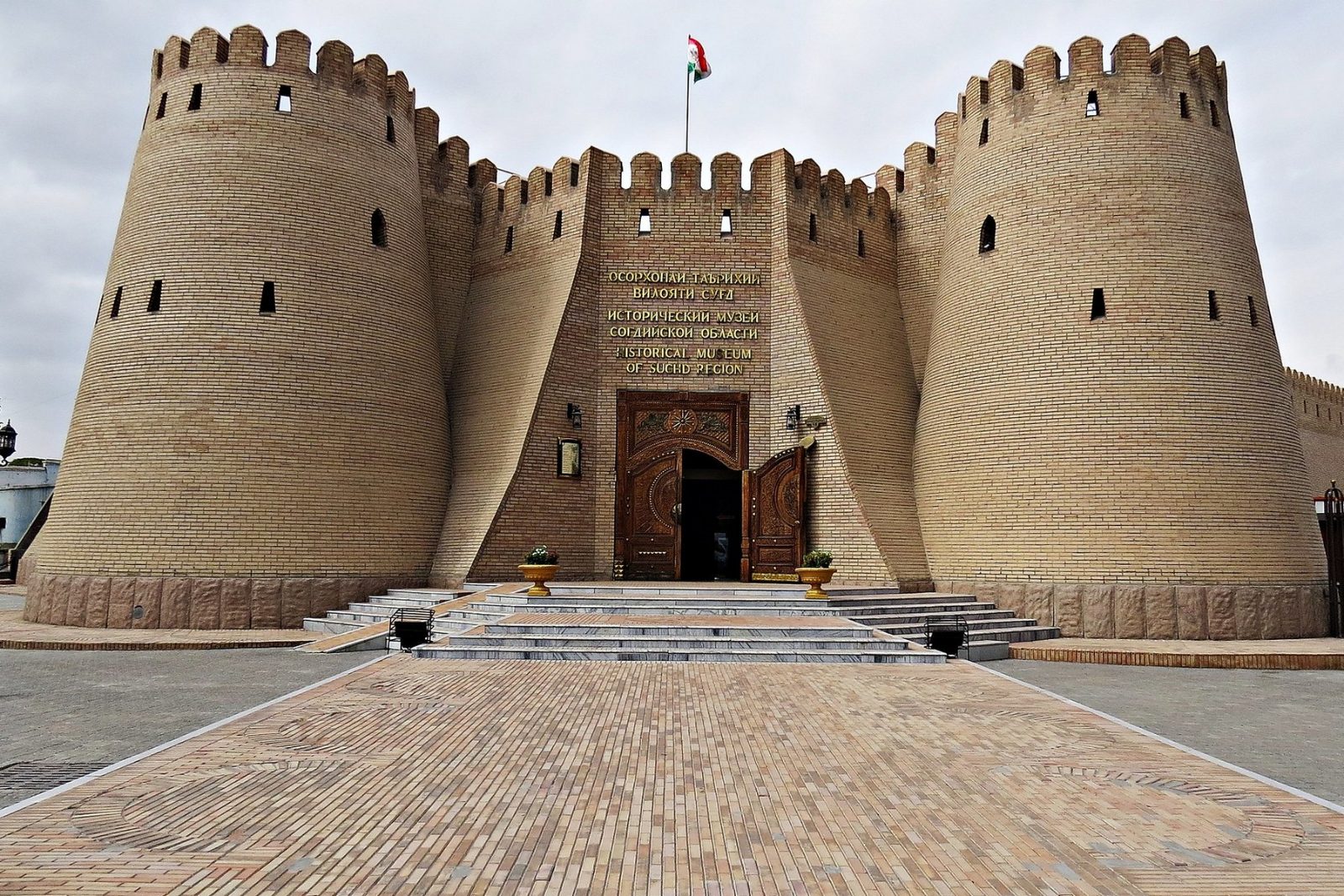
You cross the bridge into Khujand and stop first on Academician Radjabovs Street, where the fortress walls rise in raw brick. You pay 30 TJS and step into the Historical Museum of the Sughd Region — doors open at 08:00, closing at 16:00, and shut entirely on Mondays. You spend an hour among the ossuaries, the coin cases, the reconstructed Sogdian mural. Arrive between 08:00 and 15:00 and you will have room for both the museum and the market.
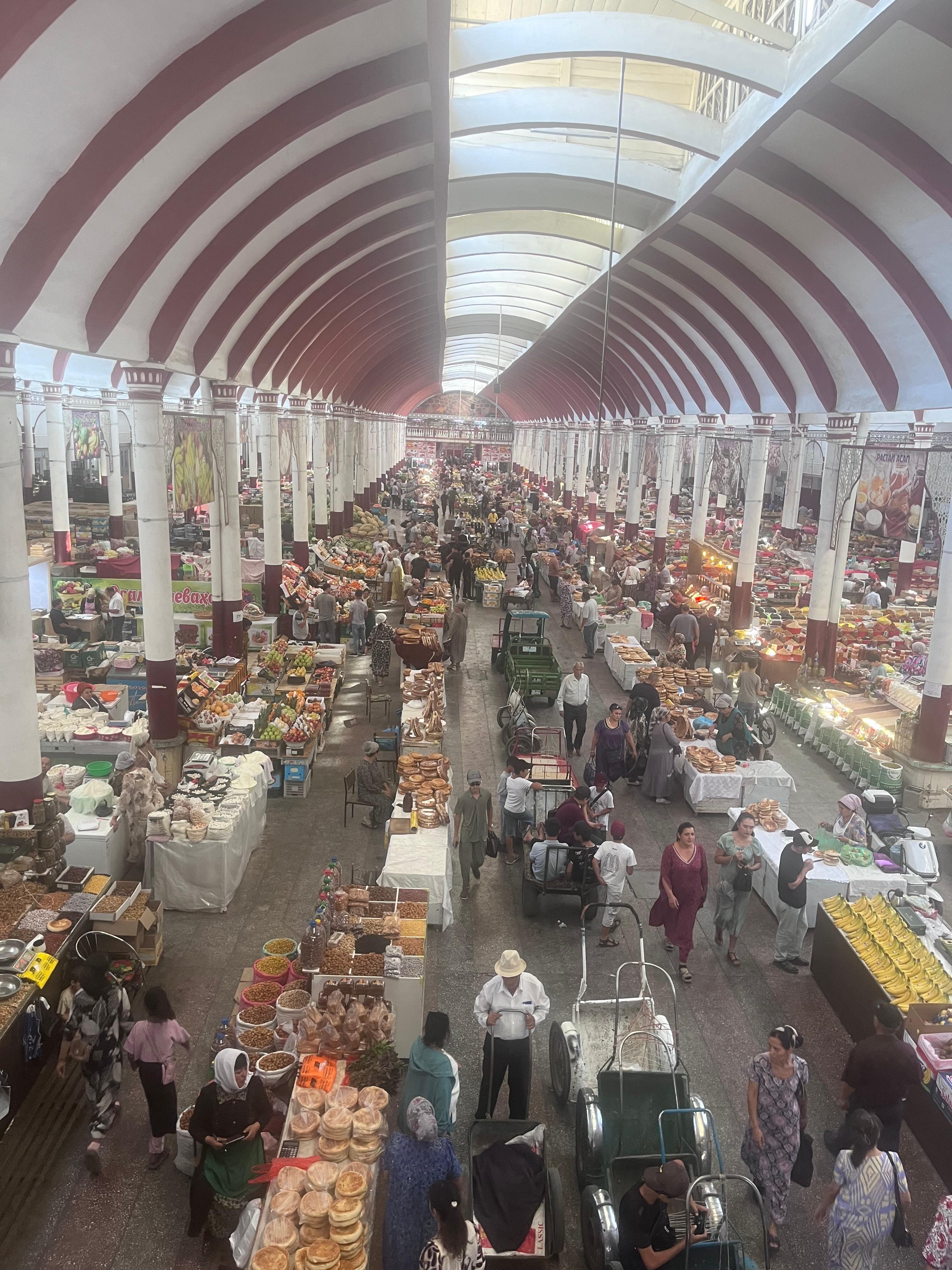
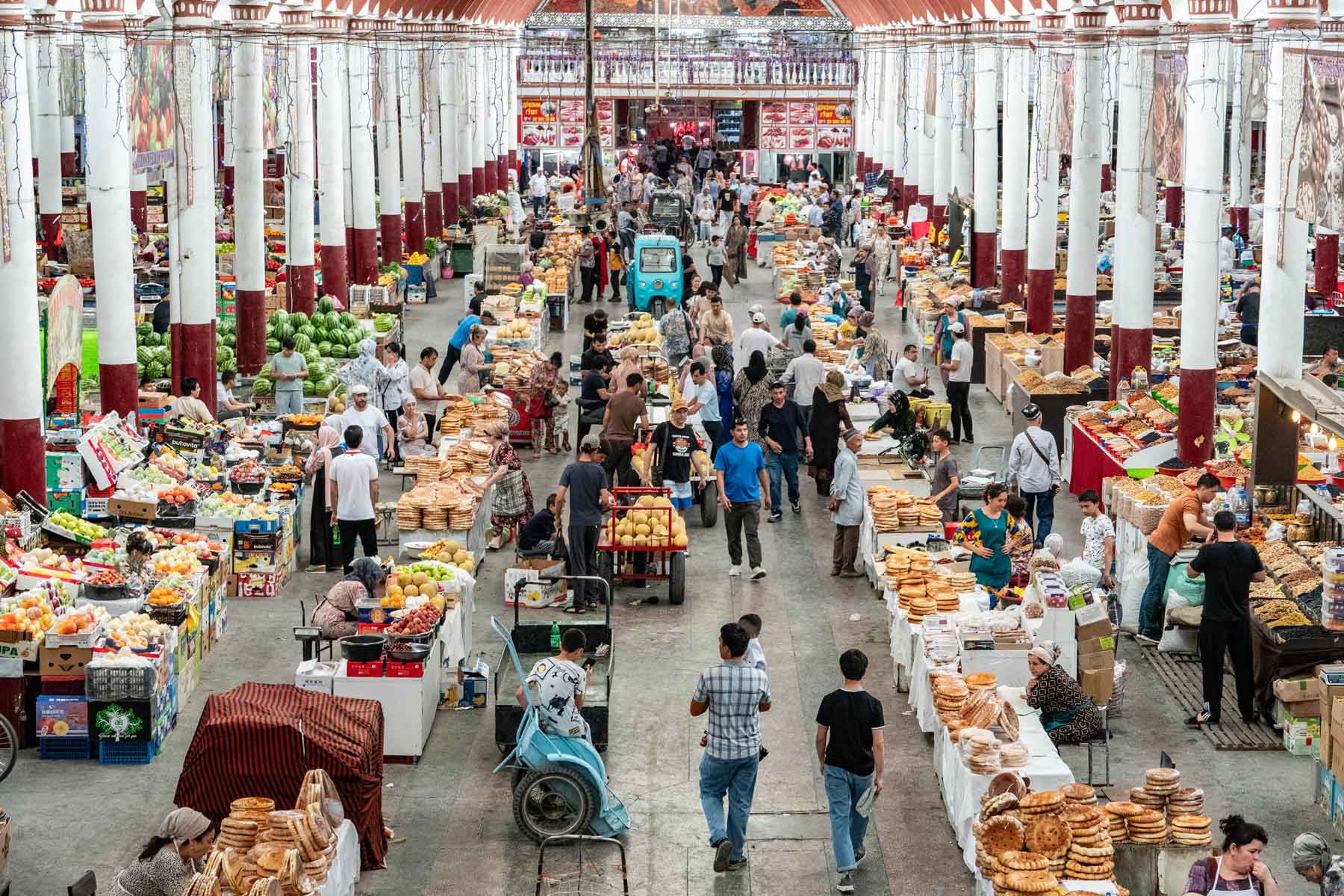
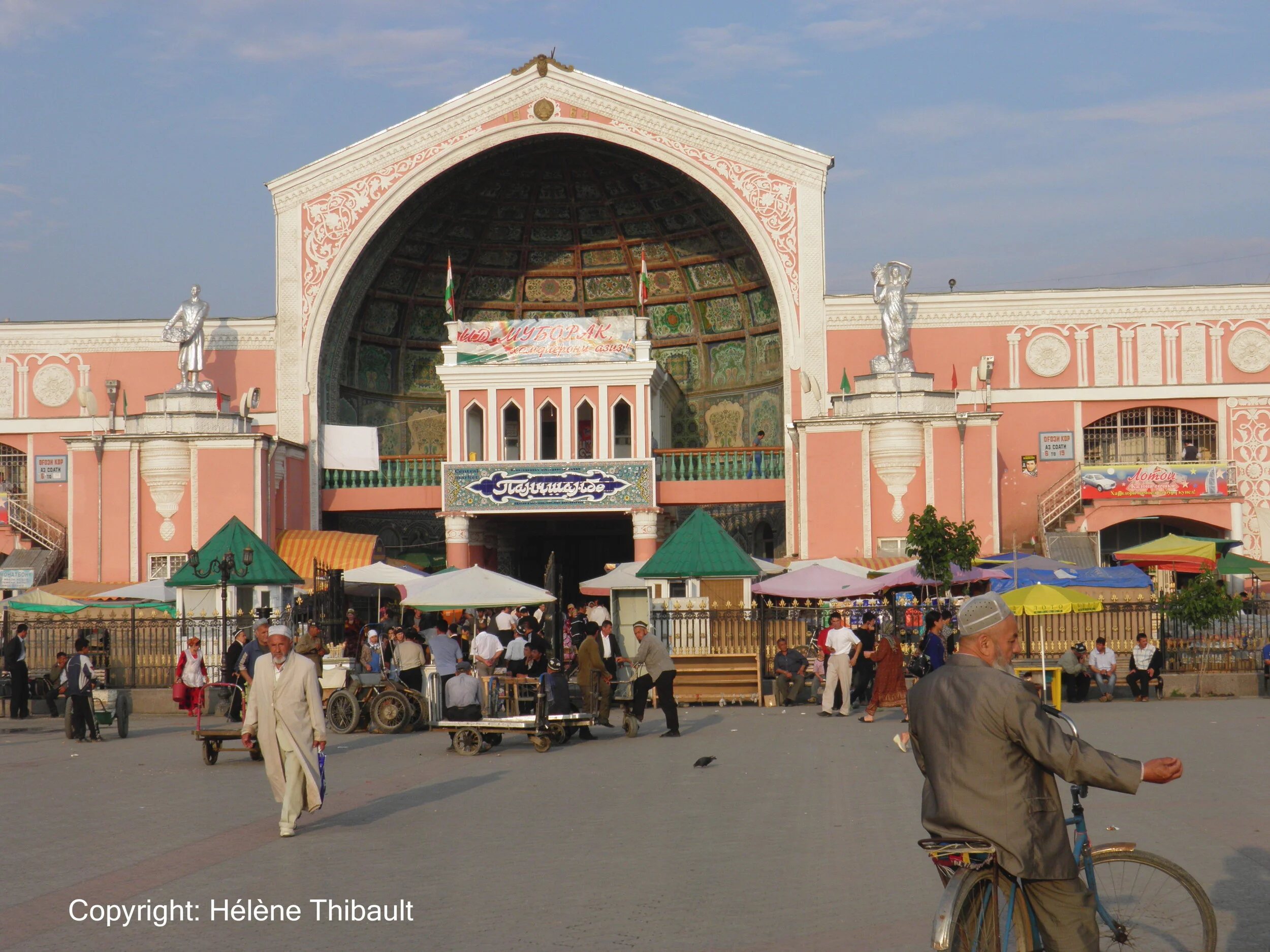
Then you walk five minutes to Panjshanbe Bazaar. You buy dried apricots by weight, watch bread come off the tandoor wall, and take the stairs to the upper gallery for the view down the aisles. Afterwards you cross to the Sheikh Massal ad-Din minaret and sit in the shade. By mid-afternoon you are back at the border, and most tashkent to khujand day trip itineraries return you to Tashkent before the light goes.
All the details about your upcoming adventure in one place
A tashkent to khujand day trip carries you across the Oybek checkpoint into Tajikistan's Sughd region, where the Syr Darya splits the city at the western gate of the Fergana Valley. Most Khujand city tour itineraries pair the Panjshanbe Bazaar with the ramparts of Khujand Fortress and the Sheikh Massal ad-Din mosque complex, a compact circuit of Khujand landmarks sitting within a few kilometres of the riverfront. Guided tashkent to khujand day trip tours handle transfers and paperwork on both sides of the frontier, which keeps the crossing predictable for first-time visitors.
Khujand was already 2,300 years old when the Soviet Union renamed it Leninabad, and it answered to Alexandria Eschate before that — the northernmost city Alexander of Macedon founded, planted where the Syr Darya breaks out of the Fergana Valley.
A tashkent to khujand day trip crosses roughly 140 kilometres and one international frontier at Oybek to reach it, which is why so many travellers weighing whether tashkent is worth visiting end up adding a second country to the itinerary.
The distance is deceptive. Tashkent sits in the same watershed, and for most of the twentieth century the two cities shared a rail network, an electricity grid and a labour market. Partition in 1991 turned a commuter corridor into a border, and only in recent years have direct road links normalised. Today a tashkent to khujand tour is a study in how quickly a landscape reasserts continuity: the same cotton fields, the same poplar windbreaks, the same Syr Darya running north-west under both flags.
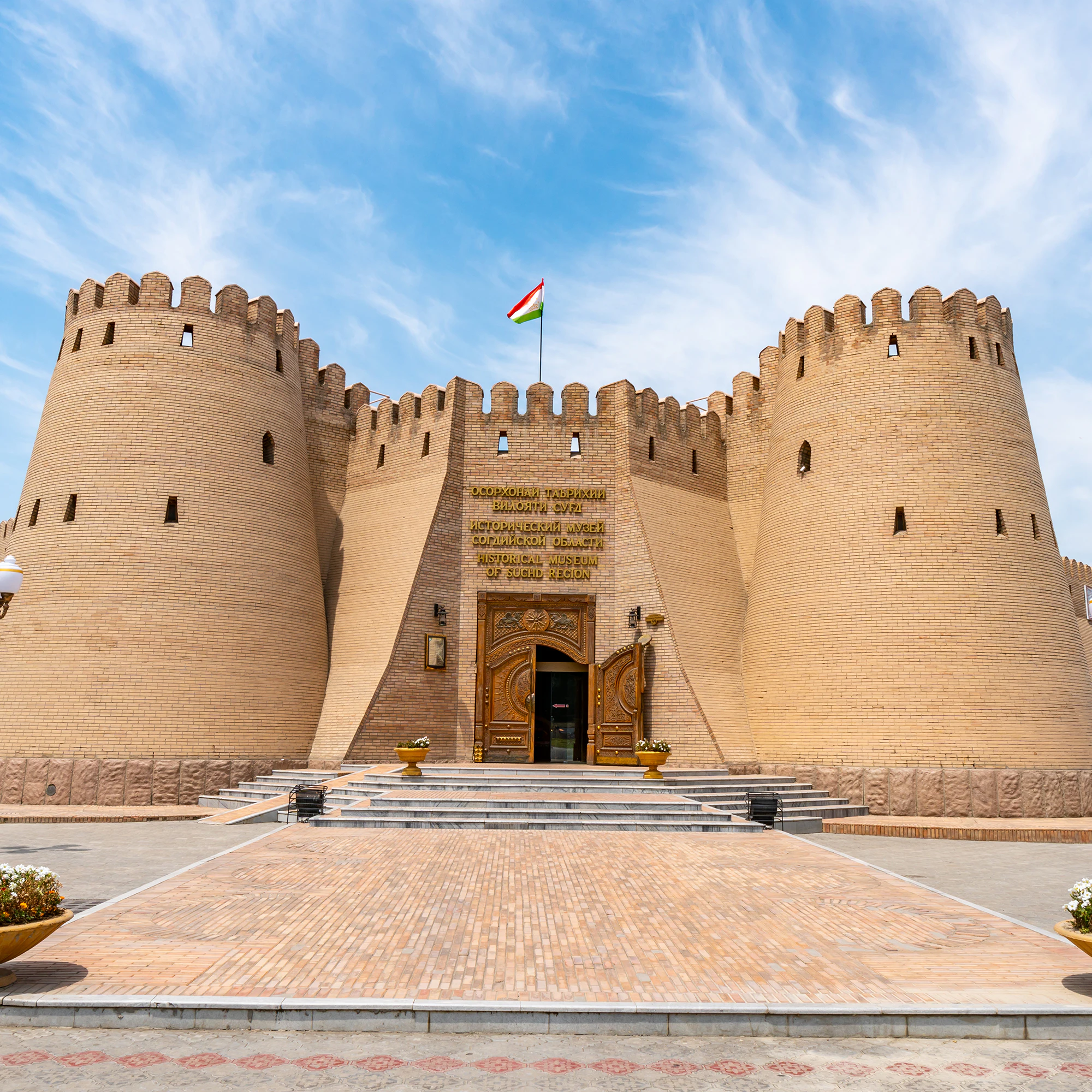
The centre of the city is organised around three anchors. The Khujand Fortress, rebuilt on Timurid and pre-Mongol foundations, houses the Historical Museum of the Sughd Region on Academician Radjabovs Street, where entry is 30 TJS per person. Its galleries move from Sogdian ossuaries and Bactrian coinage through the Arab conquest to the twentieth-century industrial city — a compressed argument for why Khujand, not Dushanbe, held the political weight of Tajikistan for decades.
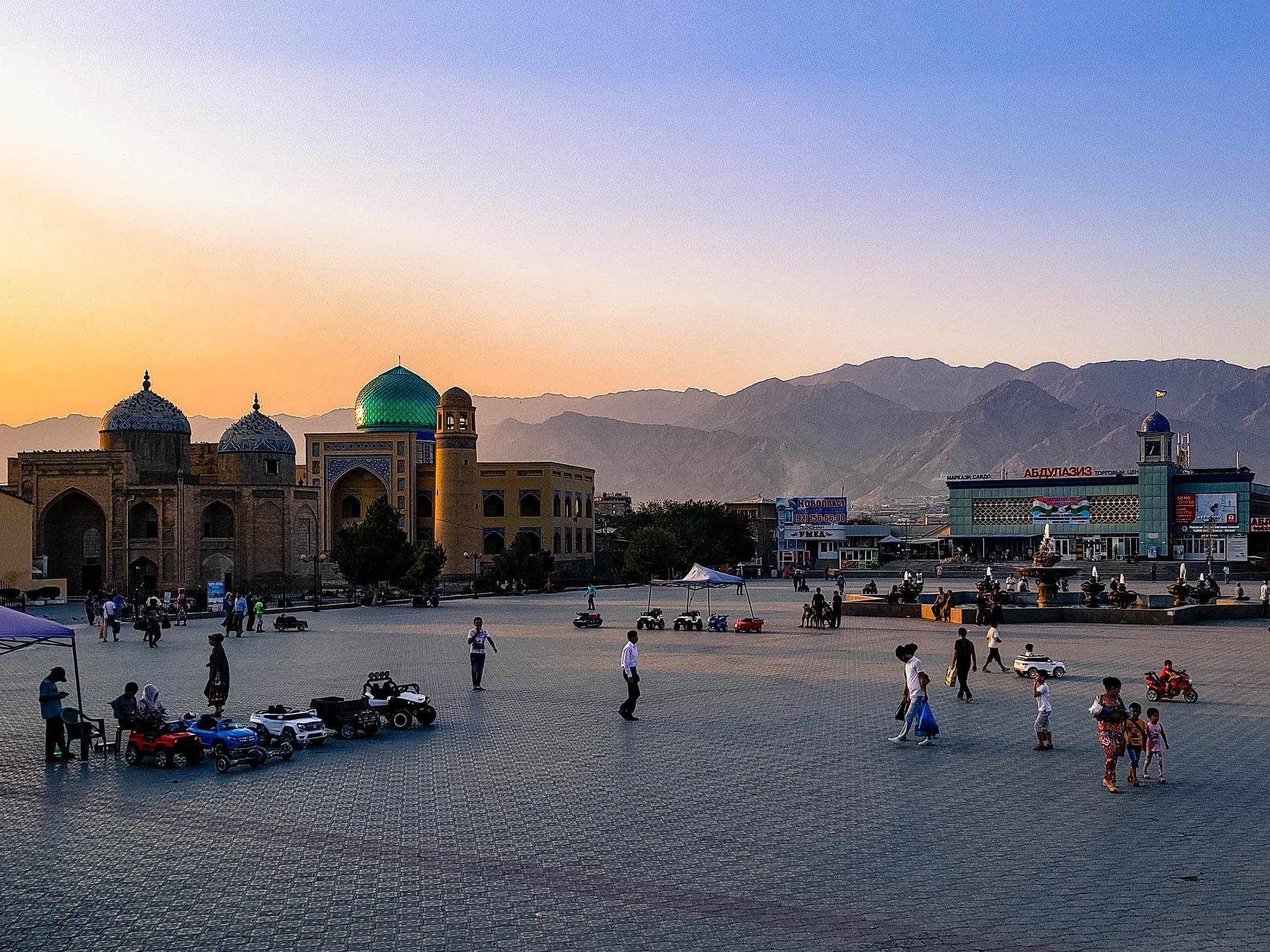
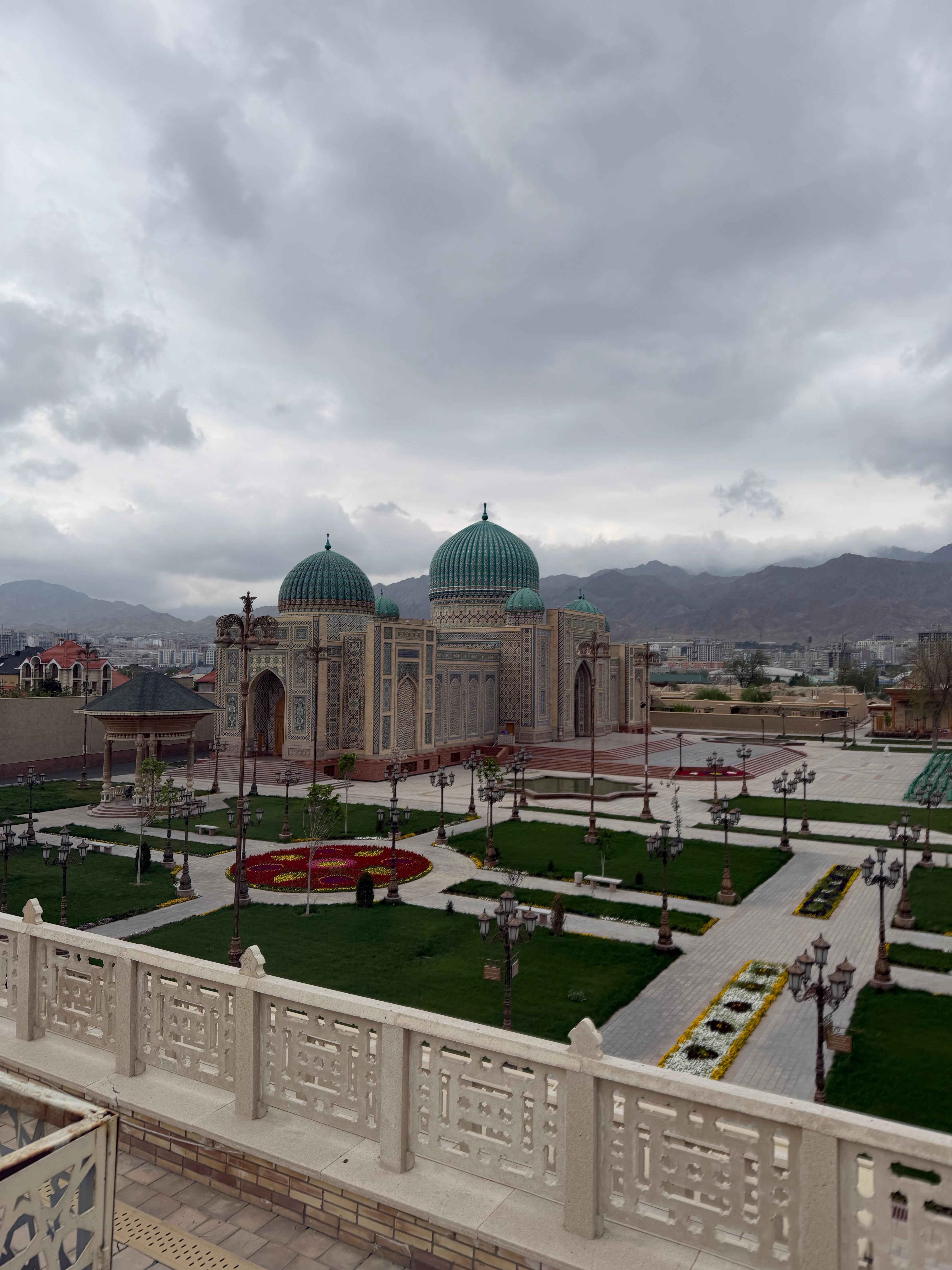
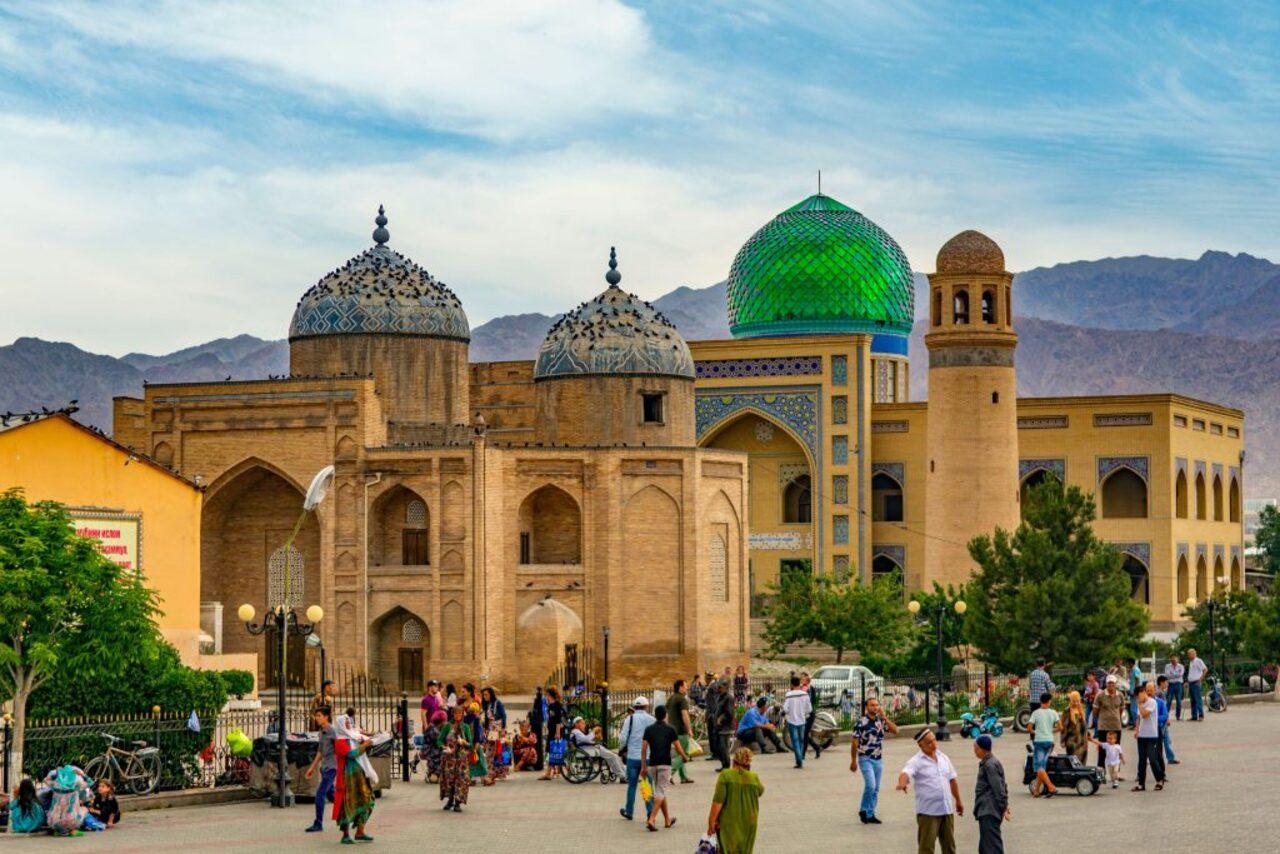
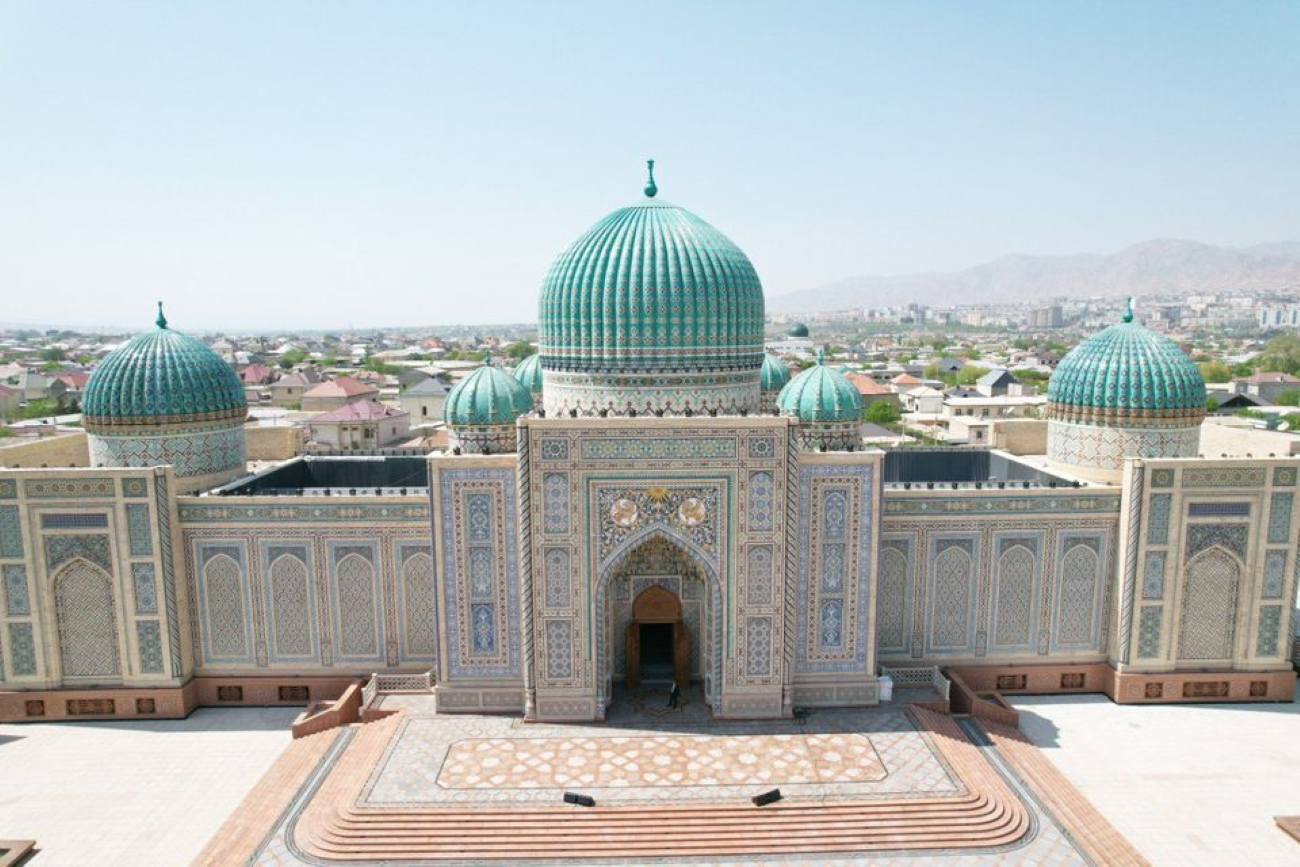
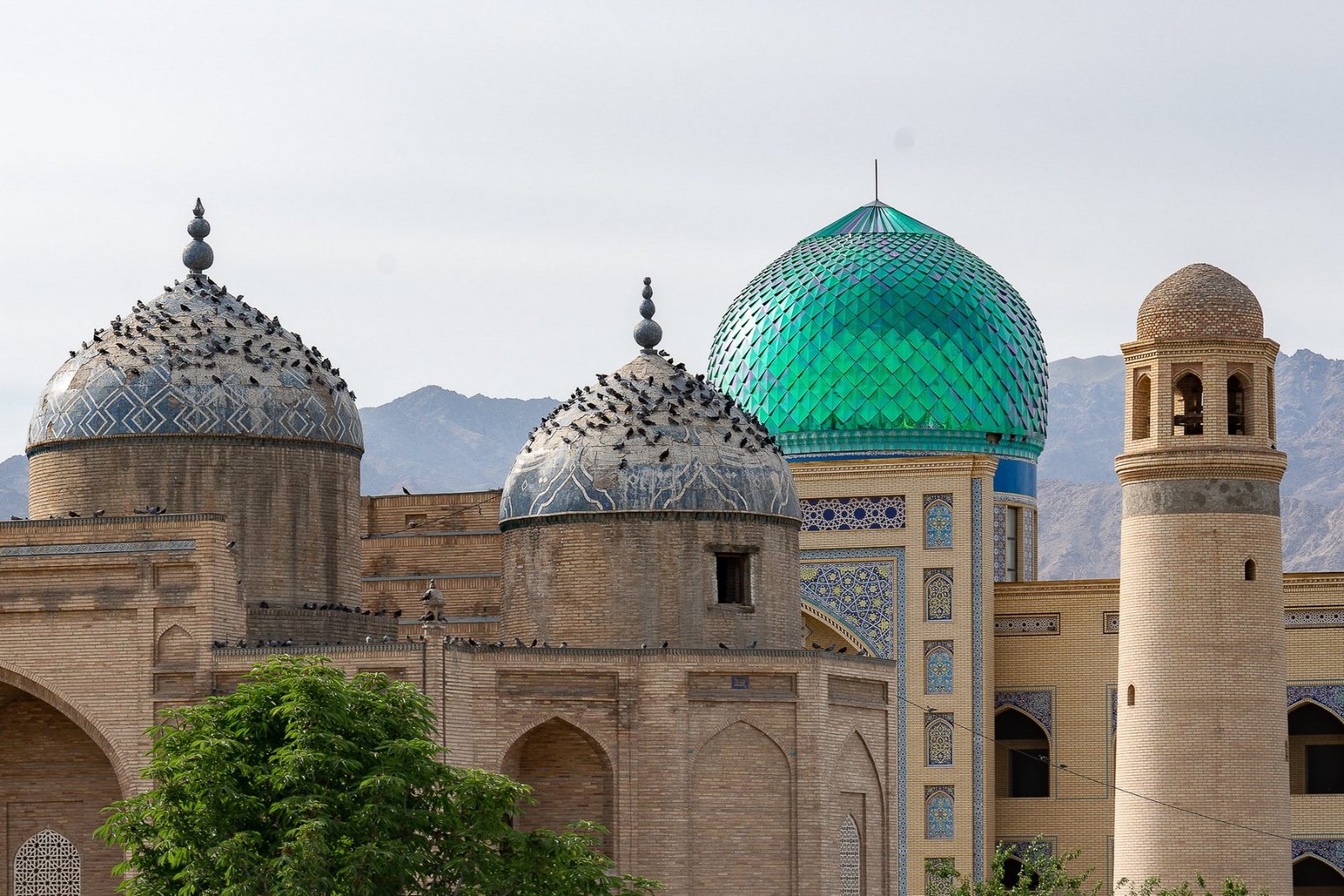
Across the road stands the Panjshanbe Bazaar, a 1964 pastel-fronted hall that remains one of Central Asia's largest covered markets, and beside it the Sheikh Massal ad-Din complex with its blue-tiled minaret and eighteenth-century mausoleum. The three sit within a few hundred metres of one another, which is what makes the single-day format viable at all and keeps the typical tashkent trip cost modest by regional standards.
Sughd remains the industrial and agricultural engine of the country, and the museum's later rooms make no attempt to hide it — hydroelectric schematics and textile-mill photographs sit alongside the Sogdian material. Visitors researching whether tashkent is safe for tourists will find the same administrative calm on the Tajik side; the frontier is procedural rather than fraught. Well-run tashkent to khujand day trip tours build the paperwork into the schedule, and a good tashkent to khujand day trip tour treats the crossing as part of the story rather than an interruption to it.

Partition turned a commuter corridor into a border, but the river never noticed.
Modest dress is recommended when visiting this landmark as a sign of respect. Shoulders and knees should be covered, especially when visiting nearby religious sites.
Small bags are permitted, but large luggage should be left in your transport vehicle. Security checks are standard at the fortress entrance.
Photography is permitted in most museum areas, allowing you to capture the history of your tashkent to khujand day trip. Please avoid flash photography in areas with sensitive textile displays.
The fortress grounds are stroller-friendly in the outer park areas, but the underground museum halls have stairs that may require carrying small children.
The museum features underground halls and elevated wall sections, which may be challenging for visitors with limited mobility. Flat pathways exist in the surrounding park.
Food and drink are not permitted inside the museum galleries. There are several cafes in the nearby Kamoli Khujandi Park where you can eat after your tashkent to khujand day trip tour.
Opening Hours
08:00–16:00
Address
Academician Radjabovs Street, Khujand, Tajikistan
Accessibility
Ground floor and underground levels
Best Window
08:00–15:00
Storage
Not available on-site
Car · 3h · Varies
Private transfer from Tashkent to Oybek border is the most reliable mode.
Walk · 30m · N/A
Border crossing requires walking between checkpoints.
Cancellation of a tashkent to khujand day trip tour is generally subject to operator terms. Most providers allow full refunds if cancelled at least 24 hours prior to the start time.
Recommended time
2-3 hours
Planning a successful tashkent to khujand day trip requires balancing museum exploration with local market exploration. Visitors typically spend two hours examining the regional artifacts before heading to the nearby bazaar to experience the pulse of Khujand landmarks. Crowds remain manageable throughout the day, though arriving during the best arrival window of 08:00–15:00 ensures you can navigate the exhibits and purchase your tashkent to khujand day trip tickets without rushing. Consider these tashkent to khujand day trip tours as a template to structure your morning transit and afternoon return.
Crowd levels through the day
Weather · crowds · average price — dots go green to amber to red as each metric rises.
Mild temperatures make the park and fortress walking comfortable for a tashkent to khujand day trip.
Hot weather; arrive early in the morning to explore the fortress before peak temperatures.
Pleasant climate with beautiful foliage in the surrounding park areas.
Cooler weather; ensure warm clothing as the underground museum can be chilly.
Begin your tashkent to khujand day trip by arriving at the border early to maximize time in the city.
Start the museum tour from the basement to view exhibits in chronological order.
Carry TJS for your 30 TJS entrance fee as vendors and ticket counters may not accept foreign cash.
Wear comfortable shoes as the fortress and nearby bazaar involve significant walking.
Border crossing times can fluctuate; keep your guide contact info handy.
Khujand is among Central Asia's oldest continuously inhabited cities. Alexander of Macedon reached the Syr Darya, then called the Jaxartes, in 329 BCE. He founded a garrison settlement there, Alexandria Eschate — Alexandria the Farthest. The site guarded the northern edge of his conquests. Archaeologists date the earliest fortified layers beneath the modern citadel to roughly the sixth century BCE, older than the Macedonian arrival. Any historically minded tashkent to khujand day trip begins with that stratigraphy: mudbrick over mudbrick, empire over empire. The fortress reached its medieval peak under the Khwarazmian shahs. Contemporary chronicles describe a double wall, a deep moat fed from the river, and a citadel considered among the strongest in Transoxiana. In 1220 the Mongol armies of Genghis Khan besieged it. The defence was led by Timur Malik, who held an island position in the Syr Darya with a small force before withdrawing downriver. The city fell and was largely destroyed. Rebuilding was slow, and the walls never regained their earlier scale. Later travellers along Silk Road routes recorded a reduced but working trade town. Russian imperial forces took Khujand in May 1866 after a short bombardment, folding it into Turkestan. Much of the remaining rampart was levelled during subsequent urban works. The Soviet period brought industry, a renamed city — Leninabad from 1936 to 1991 — and, eventually, restoration archaeology. Excavations through the 1950s and 1960s traced the ancient perimeter and confirmed the layered chronology. A reconstructed section of the eastern wall and gate was raised in 1986 for the city's 2,500th anniversary, deliberately built in the old manner rather than as a replica shell. The Historical Museum of the Sughd Region occupies that reconstructed citadel on Academician Radjabovs Street, holding Sogdian ceramics, coin hoards, arms, and ethnographic material from across the province. What survives is therefore partly authentic and partly argued reconstruction, and the museum says so plainly. Visitors comparing Khujand landmarks with other Sughd sites will find this the clearest single account of the region's past. Most tashkent to khujand day trip tours make the citadel their central stop, and independent travellers reach the same conclusion without a guide.
Earliest fortified settlement layers appear on the citadel mound above the Syr Darya.
Alexander of Macedon founds Alexandria Eschate as his furthest northeastern garrison.
Mongol forces besiege and destroy the fortress; Timur Malik leads the defence and escapes downriver.
Russian imperial troops capture Khujand in May and incorporate it into Turkestan.
The city is renamed Leninabad and rebuilt around Soviet industry.
Systematic excavations map the ancient perimeter and confirm the site's layered chronology.
A section of the eastern wall and gate is reconstructed for the 2,500th anniversary.
The Historical Museum of the Sughd Region occupies the citadel and holds the province's principal collections.
Stand on the reconstructed brick battlements for a clear shot of the citadel walls and the surrounding park. This vantage point provides the best overview of the defensive architecture during your tashkent to khujand day trip.
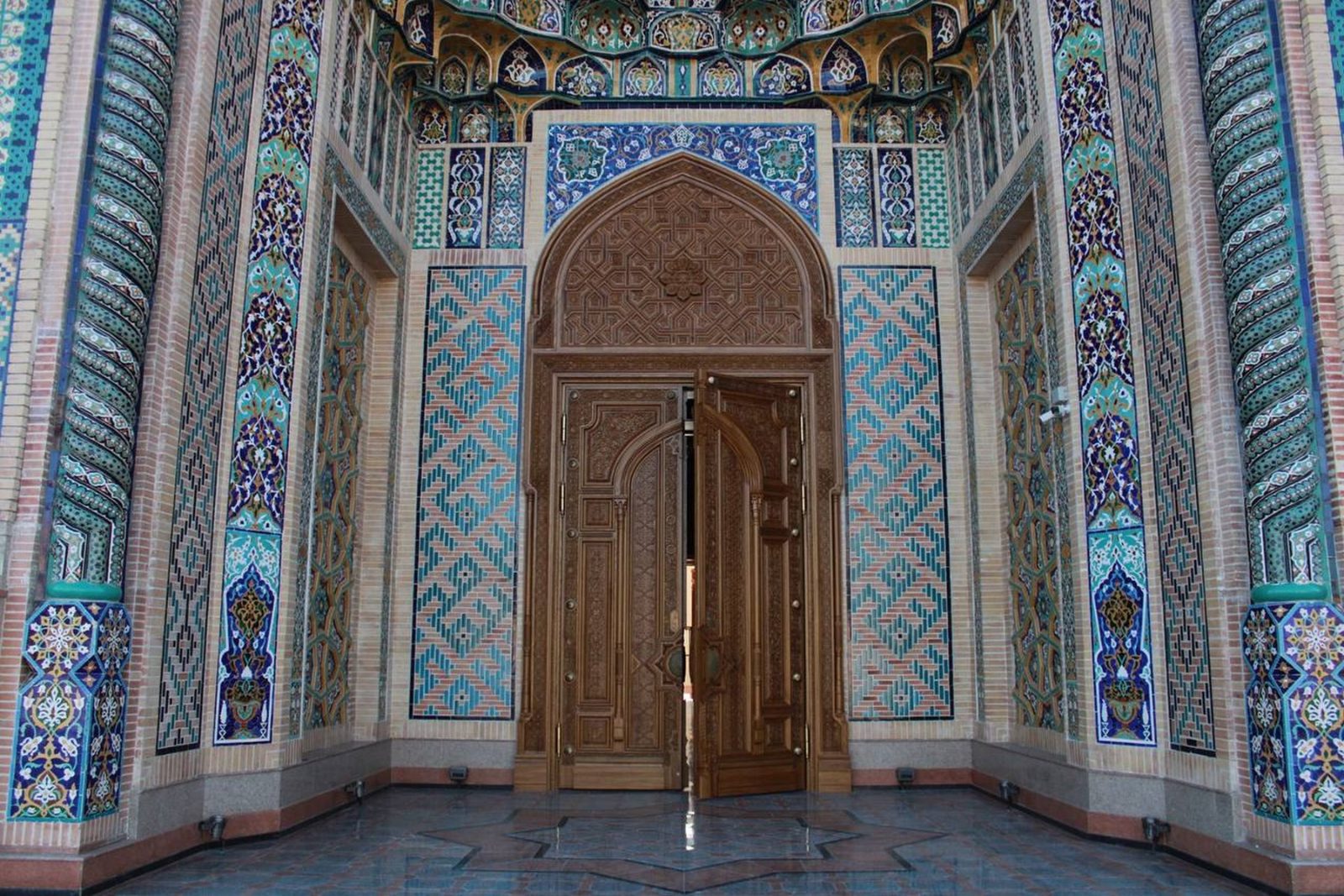
Capture the geometric patterns of the central archway and the surrounding restored masonry. Position yourself in the center of the square for a symmetrical composition of the Historical Museum of the Sughd Region, which is essential for those seeking tashkent to khujand day trip tours.
Frame the intricate tile work and heavy wooden doors from the outer path. This classic angle captures the scale of the entrance, often included in a typical tashkent to khujand day trip tour.
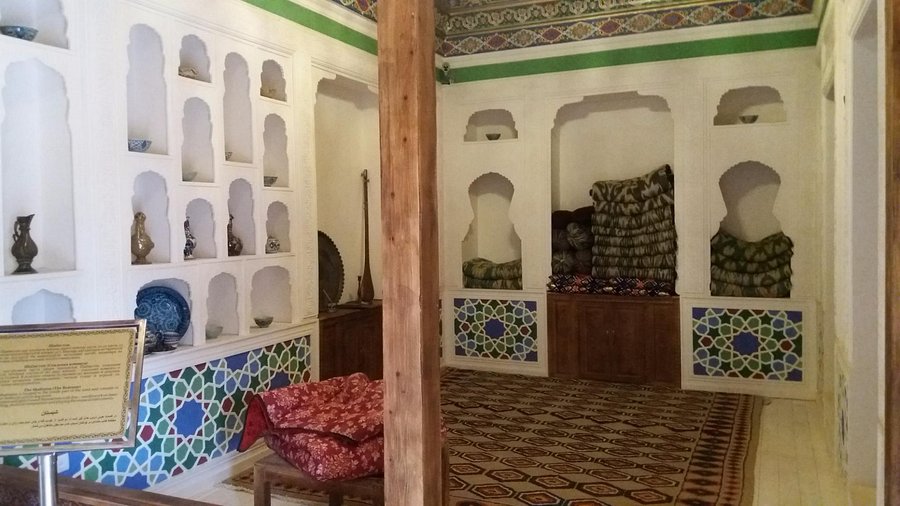
Focus on the artifact displays and vaulted ceilings where the exhibits reside. A steady hand is needed here to capture the details of the Silk Road relics if you have secured your tashkent to khujand day trip tickets.
Exploring the area near your tashkent to khujand day trip reveals several local dining spots within walking distance of the central bazaar. Visitors taking a tashkent to khujand day trip tour often find traditional Tajik cuisine at these accessible venues while reviewing their tashkent to khujand day trip tickets for the afternoon.
This popular spot offers traditional plov and shashlik in a comfortable setting. It is ideal for a hearty lunch before you continue your Khujand landmarks exploration.
Located near the Panjshanbe Bazaar, this café serves authentic samsa and hot tea. It provides a quick refueling stop for those following tashkent to khujand day trip tours through the city center.
This venue features an extensive menu of regional dishes and fresh salads. The interior provides a relaxed atmosphere suitable for resting after a busy morning of sightseeing.
Real experiences from real travelers
We left Tashkent at six in the morning and the light coming over the cotton fields was worth the early alarm on its own. The tashkent to khujand day trip felt long on paper but the driving is mostly flat and fast until the border, and Panjshanbe Bazaar in the afternoon heat smelled like dried apricots and roasting bread.
Our guide had the paperwork sorted and the Oybek crossing took under forty minutes each way, which I gather is not guaranteed. Khujand itself is greener and calmer than I expected, with the Syr Darya running wide and cold right through the middle of town.
The fortress museum is small but the reconstructed walls give you a real sense of how old this place is, and the view down to the river from the ramparts is lovely in late light. Only note is that the road back had roadworks and we returned later than planned, so build in some slack.
Panjshanbe Bazaar was the highlight for me — two floors of nuts, spices and fabric, and nobody hassled us. The Sheikh Muslihiddin complex next door was quiet in the heat, and the tilework on the minaret is finer than photographs suggest.
Booked this as a Khujand day tour from Tashkent and the vehicle was clean with working air conditioning, which matters on that stretch of road. Our driver stopped twice without being asked and knew which side of the border queue moved faster.
Crossing into Tajikistan and back the same day still feels slightly absurd, but it works. Sayohati yakruza az Toshkand ba Khujand, as our guide called it — she was proud of her city and it showed in how much she wanted us to see the embankment at sunset.
We did this in deep winter and the mountains behind the city were snow-capped and completely clear. Fewer people at the bazaar, and the tashkent to khujand day trip tickets were easy to arrange a couple of days ahead through our hotel.
I almost skipped it because of the distance and I am glad I did not. Comparing the tashkent to khujand day trip tours on offer, the smaller group ones are the way to go — ours had six people and we were never waiting on anyone at the checkpoint.
Standing on the embankment with the river moving fast and the dome lit gold behind us was the image I kept from the whole trip. Bring your passport photocopy anyway, and small US dollars or somoni for the bazaar since cards are not much use there.
Among Uzbekistan and Tajikistan landmarks this one gives you an unusual amount of variety for a single day — border formalities, a working Central Asian bazaar, a fortress and a riverfront. The tashkent to khujand day trip tour we chose included lunch and it was a proper sit-down meal, not a snack box.
Everything you need to know for your journey
The museum is open Tuesday through Sunday from 08:00–16:00. It is closed on Mondays.
The entrance fee is 30 TJS per person for the Historical Museum of the Sughd Region.
Plan for at least 1–2 hours to fully explore the museum exhibits.
Yes, it is recommended to purchase your tashkent to khujand day trip tour in advance through a reputable local operator.
Some parts of the museum are underground and may be difficult to navigate for those with mobility issues.
The most common way is via private transfer to the Oybek border, where you will walk across and meet your Tajik guide.
Photography is allowed throughout the museum, but avoid using flash near sensitive artifacts.
Bring your passport, comfortable walking shoes, and local currency for your tashkent to khujand day trip.
Yes, the Panjshanbe Bazaar is a short distance from the museum and is a highlight of the city.
A vibrant historic market famous for fresh produce and spices.
A sprawling riverside park adjacent to the fortress.
An iconic religious site with a towering minaret.
Central location with modern amenities.
Join thousands of happy travelers who have discovered this incredible experience
Book Your Experience Now